
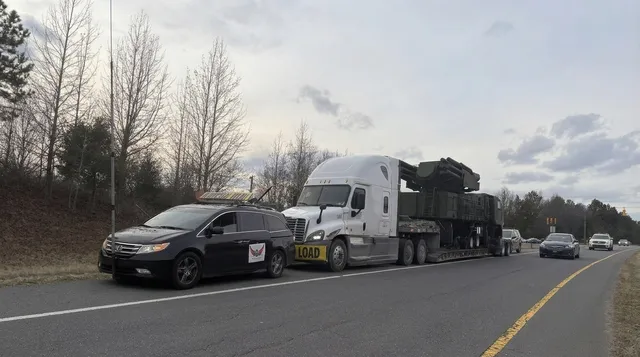
Before the move: understanding the assignment
FHWA's pre-trip planning guidance lists what an escort operator should confirm when taking a job: the load's configuration and dimensions (is it top heavy, low to the ground, overhanging, articulated, does it need a height pole), a copy of the permit and route survey, daily travel distance, stops and parking, and contact numbers for the carrier, load driver, other escorts and relevant offices. They should also prepare contingency plans, such as what happens if an escort vehicle breaks down.
Reviewing the route
FHWA suggests comparing the permitted route against a real map and against construction and seasonal restriction information. It also recommends checking the route survey for utility lines, overpasses and other overhead obstructions, and for weight-restricted bridges. Mississippi's permit rules, for example, prohibit movement on posted bridges and set holiday travel limits, which is the kind of detail a route review should catch.
Railroad crossings need special attention
FHWA's guidance on special challenges puts the risk in numbers: a 150-car freight train at 50 mph needs about 8,000 feet, or one and a half miles, to stop. Low trailers can hang up on crossings, and long loads can end up stopped on the tracks at a red light. The guidance is that a load should never start across unless it can clear all the tracks without stopping. Crossings should be on the route survey, with emergency contact numbers, and reviewed each morning.
During the move
- Lead car: keeps a visual lead of at least 20 seconds, per FHWA, and calls out hazards ahead.
- Chase car: watches rear traffic and the load, and protects lane changes.
- Everyone: follows traffic laws and stays on the radio. Where the state allows it, escorts can help control traffic when the load blocks a lane.
The pre-trip meeting
FHWA recommends a team meeting before moving to cover paperwork, equipment, the route and first turns, traffic control, radio channels and emergency steps. It takes a few minutes and avoids most confusion later.
What to send your pilot car company
- The permit for each state and the route survey.
- Loaded height, width, length, weight and any overhang.
- Trailer type and steering details.
- Start time, curfews, planned stops and delivery details.
- Contact numbers for the driver and anyone coordinating the move.
Send those to dispatch with a quote request and we will line up the right positions. If you want the route checked in advance, ask about our route survey. Related reading: why pilot cars are important.